The Inca Trail / World Heritage Site UNESCO 2 Days - 1 Night
The most important Inca road was the Camino Real, as it is known in Spanish, with a length of 5200KM (3230mi). It began in Quito, Ecuador, passed through Cusco, and ended in what is now Tucuman, Argentina. The Camino Real traversed the mountain ranges of the Andes, with peak altitudes of more than 5000m. El Camino de la Costa, the coastal trail, with a length of 4,000Km (2420mi), ran parallel to the sea and was linked with the Camino Real by many smaller routes. The Incas built a vast network of roads to be able to communicate with the four regions of their huge empire, the Inca road system was constructed in pre-Columbian South America. Traversing the Andes Mountains and reaching heights of over 5000M (16500f) above sea level, the trails connected the regions of the Inca Empire from the northern provincial capital in Quito, Ecuador past the modern city of Santiago, Chilean the south of territory.
The networks were known as Qhapap Nan (the sovereign's highway). There is remains of the Qhapaq Nan (The Inca trail) throughout Peru that are still used to this day by local farmers sometimes accompanied by pack animals, usually the Llama. The trails were used by the Inca people as a means of relaying messages, carried via knotted-cord Quipu, books, and by memory; and for transporting goods. Messages could be carried by Chasqui runners covering as much as 242KM (150mi) per day. There were approximately 2,000 inns, or Tambos, placed at even intervals along the trails. The inns provided food, shelter and military supplies to the tens of thousands who traveled the roads. There were corrals for Llamas and stored provisions such as corn, lima beans, dried potatoes, and Llama Jerky. Along the roads, local villagers would plant fruit trees that were watered by irrigation ditches.
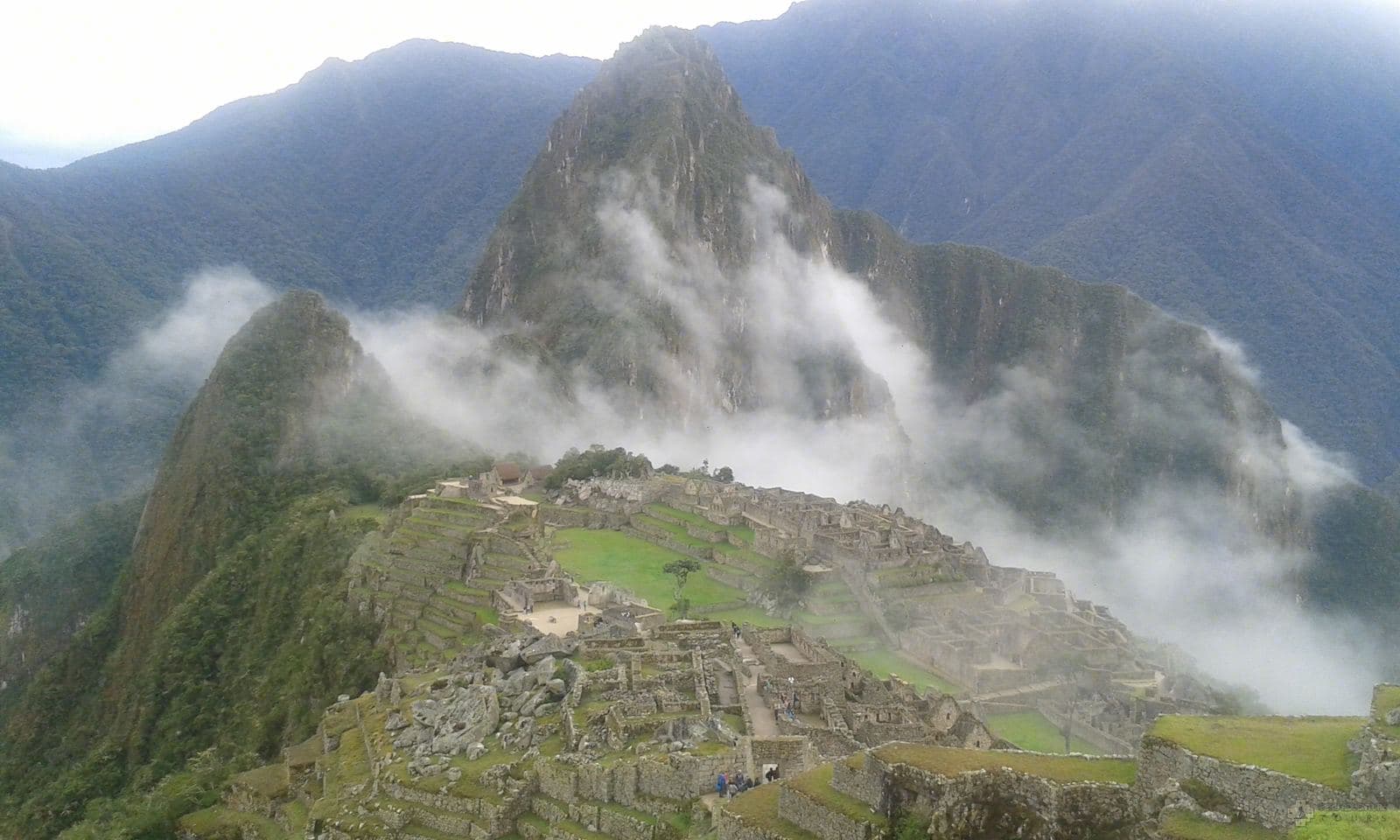
Today, hiking the Inca trail to Machu Picchu, the so-called “Lost City of the Incas”. There are many well-preserved ruins along the way, variety of eco-systems and dazzling scenery. The Inca trail is one of the world's most important trekking and camping routes and is possible to get there in 2 days/1 night or 4 days/3 nights and find the altitude between minimum 2600M - 8528ft; maximum 4200M - 13776ft.
Our classical 2 days group service trek is the most popular trek to Machu Picchu. With this trek service you can join one of our groups and find variety of like-minded people from all over the world. This service is perfect for couples and small groups of friends.
Important: Concern about overuse leading to erosion has led the Peruvian government to place a limit on the number of people who may hike this trail per season, and to sharply limit the companies that can provide guides. As a result, advance booking is mandatory.
A maximum of 500 people per day, including guides and porters, are permitted to begin the Trail every day. As a result, the high season books out very quickly.
Note: that the Trail is closed every February for cleaning.
INKA TRAIL TREK FAQS - Trail Permits for the Inca Trail To Machu Picchu